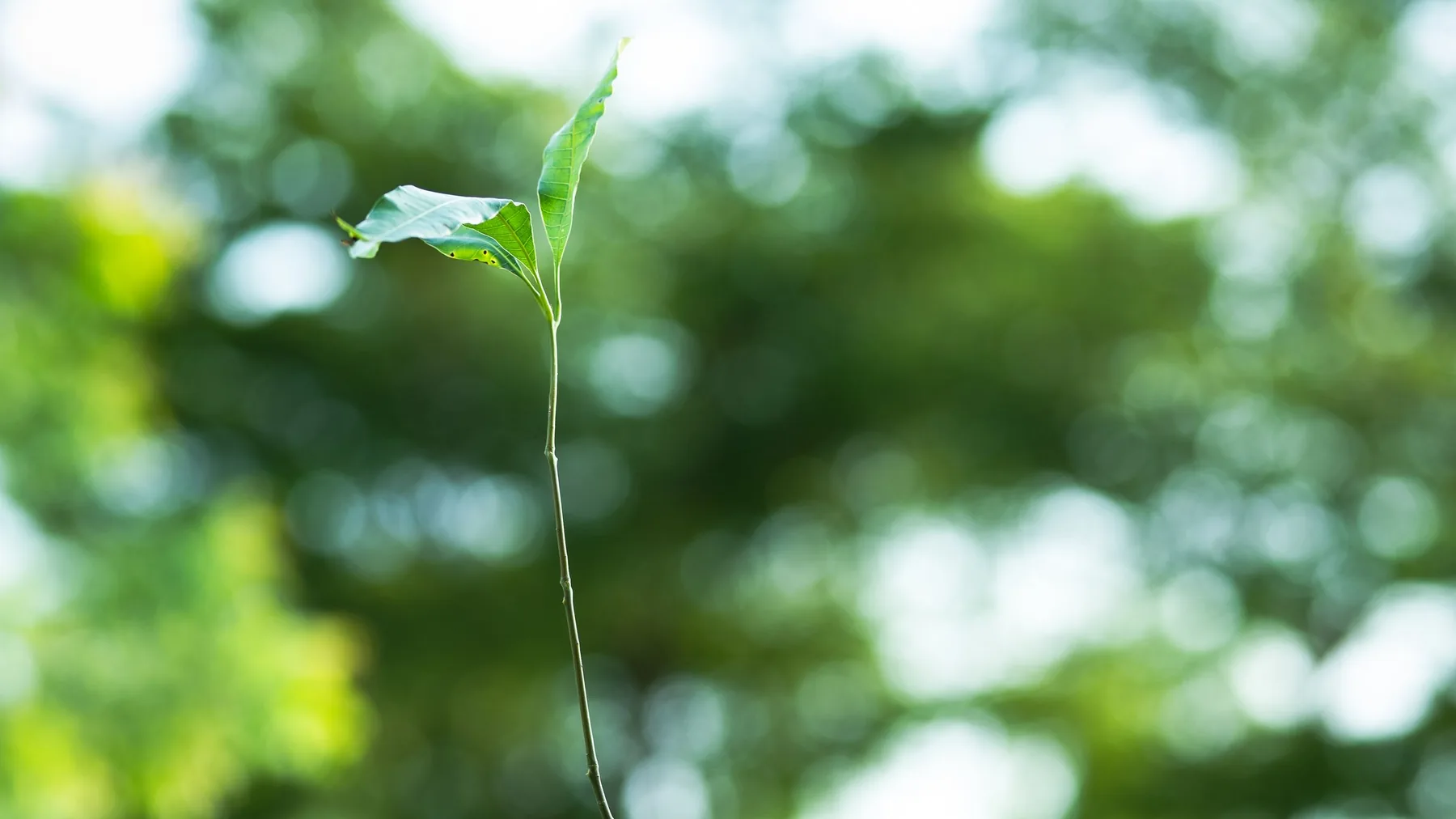
Tree Planting in Memphis, Tennessee
A well-placed tree can add shade, structure, and long-term value to a property, but successful planting starts well before the hole is dug. This guide explains practical choices for tree selection, delivery, planting, and establishment care on Memphis-area sites.
When this service may be needed
Planting may be appropriate when replacing a removed tree, adding afternoon shade, screening a view, improving a large open yard, or meeting an approved landscape plan. Begin with the mature size of the tree rather than the size of the nursery container. A species that looks modest at installation may eventually conflict with a roof, sidewalk, overhead conductor, drainage path, or neighboring property.
Planting estimates can include different parts of the project, from installing customer-supplied stock to species selection, delivery, site preparation, and an initial watering plan. Ask exactly what is included, whether the nursery or installer provides a plant warranty, and what care obligations apply after planting.
Warning signs and planning considerations
Planning should account for sunlight, soil drainage, available rooting space, overhead and underground utilities, expected litter, and the distance from pavement and structures. Avoid choosing solely for fast growth. Some rapidly growing trees develop weak branch attachments, aggressive surface roots, or a short useful life in constrained urban sites.
Inspect nursery stock for a single sound leader where appropriate, balanced branches, an undamaged trunk, and roots that are not tightly circling the container. The root flare should be identifiable near the soil surface. A trunk that disappears straight into deep potting mix may already be planted too deeply and should be evaluated before purchase or installation.
How the process generally works
A typical project starts with a site review and a discussion of goals. The plan may compare suitable species, confirm utility-location responsibilities, measure access, and identify how water will reach the tree. The planting hole is generally wider than the root ball but no deeper than needed to keep the root flare at the proper finished grade. Wire, twine, treated burlap, and container materials should be handled according to the actual root-ball condition.
After the tree is set and backfilled, a broad, shallow mulch ring can moderate soil temperature and reduce mower damage. Mulch should not be piled against the trunk. Staking is used only when site or root-ball stability warrants it and should not become a permanent restraint. The written scope should state who removes stakes, how often to water during establishment, and whether follow-up visits are included.
Safety and hiring considerations
Call the utility-location service before digging and identify private irrigation, lighting, septic, or pet-fence lines that public locating may not mark. Hand digging near known utilities may still require special coordination. Keep delivery equipment off vulnerable lawns, root zones, and wet clay whenever possible, and confirm who is responsible for repairing disturbed irrigation or pavement.
Review the plant source, installation details, establishment-care plan, and written terms before hiring. Weather, stock quality, planting depth, watering, soil conditions, and later care all influence survival, so responsibilities should be clearly assigned.
Planning for Memphis-area properties
Memphis combines hot summers, periodic drought, intense rain, and clay-heavy soils that may drain slowly or become compacted. Species and cultivars should be selected for the specific exposure and space, not merely because they are sold locally. Native or regionally adapted choices can be useful, but even a suitable species needs enough uncompacted soil and a realistic watering plan.
Fall through early spring is often convenient for planting dormant deciduous trees, while extreme heat adds establishment stress. Timing still depends on species, stock type, soil condition, and irrigation. Tree-planting requests are accepted across Memphis, Bartlett, Germantown, Collierville, Cordova, Arlington, Lakeland, and Millington.
Frequently asked questions
What tree should I plant in a Memphis yard?
How deep should a new tree be planted?
Is planting available with every tree-service request?
Related tree services
Communities served
Request help in Memphis or explore our nearby service areas: